


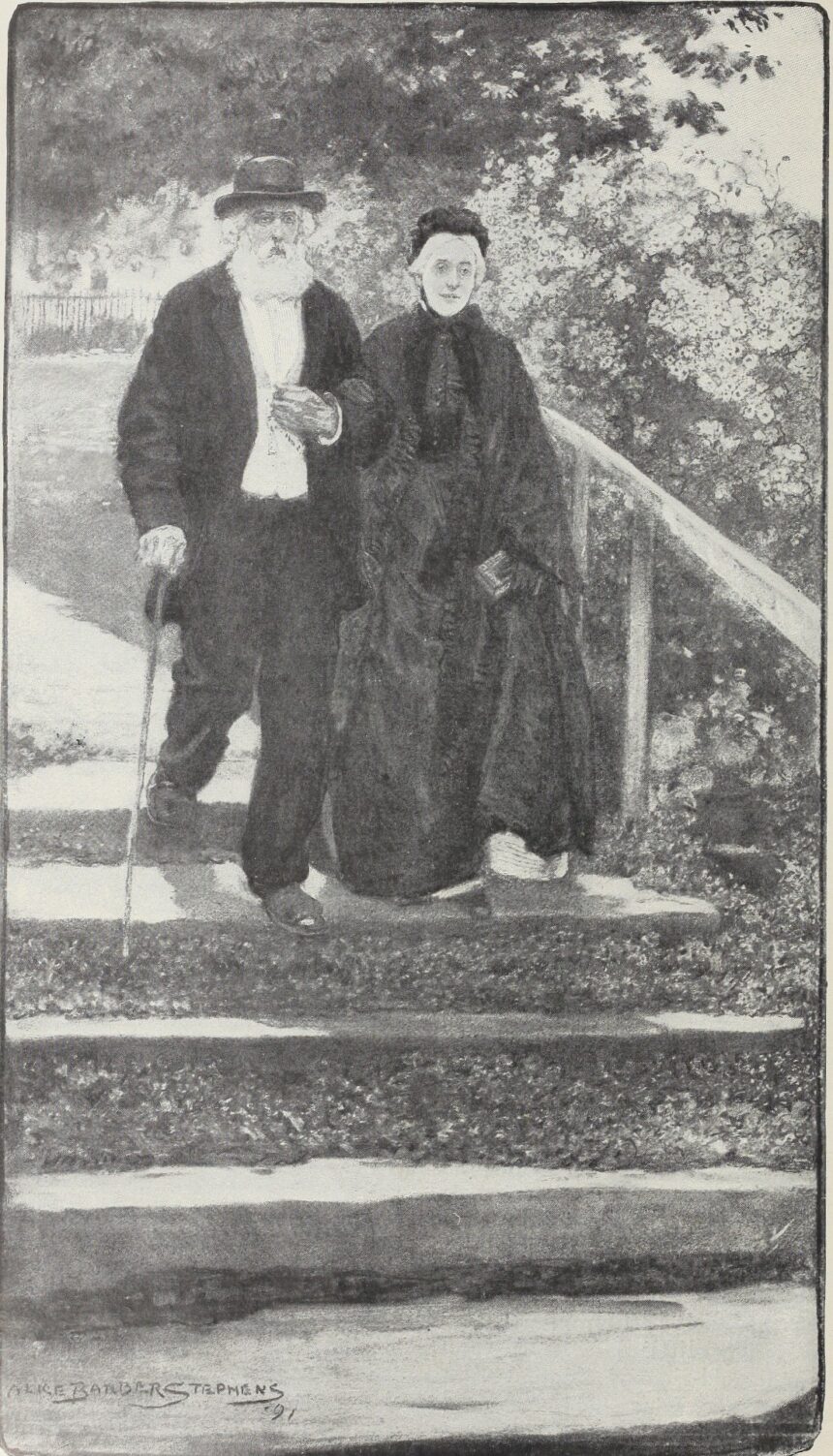
Living longer has become one of the most fashionable topics in science. Billionaires fund longevity laboratories, influencers sell supplements promising extra decades, and new headlines appear weekly claiming a breakthrough in ageing. Beneath the excitement, serious researchers are making real progress in understanding why we age — but their conclusions are often more modest, and more practical, than the hype suggests.
The basic picture is encouraging. The World Health Organization records that global life expectancy rose steadily for decades before the pandemic interruption, driven less by miracle drugs than by sanitation, vaccines, safer roads and better treatment of heart disease. The next gains, scientists say, will come from tackling ageing itself — the slow accumulation of damage that makes older bodies vulnerable to many diseases at once.
What the Evidence Supports Today
Ask gerontologists what works now and the answer is unfashionably familiar: do not smoke, move daily, sleep properly, eat mostly whole foods, keep blood pressure controlled and stay socially connected. Large cohort studies following hundreds of thousands of people find these habits associated with more than a decade of extra life compared with neglecting all of them. No supplement on the market has evidence anywhere near that strength in humans.
Exercise deserves special mention. Both aerobic activity and resistance training are linked to lower risks of dementia, diabetes and frailty, and even modest amounts help: brisk walking for twenty minutes a day measurably shifts risk. Muscle strength in midlife predicts independence in old age, which is why researchers increasingly talk about “healthspan” — years lived in good health — rather than lifespan alone.
Sleep is the quiet pillar of the longevity evidence. Adults who regularly sleep seven to eight hours show lower rates of cardiovascular disease, dementia and metabolic disorders than the chronically sleep-deprived, and deep sleep appears to be when the brain clears metabolic waste. Social connection belongs on the list too: loneliness predicts early mortality about as strongly as well-known physical risk factors, which is why researchers treat friendships and community as health infrastructure, not decoration.
The New Medicines Being Tested
The genuinely new science is happening in laboratories and early trials. Senolytic drugs aim to clear out senescent cells — worn-out cells that linger and inflame surrounding tissue. Rapamycin and metformin, older medicines with intriguing effects in animals, are being tested for whether they can slow aspects of human ageing. So far, results in people are preliminary, and responsible researchers warn against buying these drugs online outside trials.
Biological age tests are another fast-moving area. “Epigenetic clocks” estimate age from chemical marks on DNA and may help trials measure results faster, but scientists caution that a younger clock reading does not yet prove a younger body. Coverage in Nature’s ageing research hub shows a field that is rigorous, hopeful and honest about how much remains unknown. Our lifestyle section follows these stories as they develop.
Sorting Hope From Hype
For readers, a few rules of thumb help. Be suspicious of any single product promising to reverse ageing; ageing is not one pathway, and real interventions will arrive through regulated trials, not marketing. Look for human evidence, ideally randomised trials, rather than mouse studies. And remember that the boring basics compound: someone who walks, sleeps and eats well for thirty years has done more for their longevity than any biohacker with a fridge full of unproven powders.
The realistic promise of longevity science is not immortality. It is more years of strength, clarity and independence — grandparents playing with grandchildren, minds staying sharp, bodies staying capable. That prize is worth the research money flowing into the field, and worth the daily habits that already deliver much of it. Follow more health and lifestyle reporting at Stella Dimoko Blog.
Money complicates the picture. The global longevity industry attracts enormous investment and equally enormous marketing, and the gap between the two is where consumers get hurt. Clinics selling unproven stem-cell treatments and intravenous infusions operate in regulatory grey zones in several countries. The field’s credible leaders are unusually blunt about this: until a therapy survives a proper human trial, it is a research question, not a product.