

Florence Pugh has never been an actress who does things by halves, and her taste in travel appears to be just as bold. The Oscar-nominated star has described one stunning destination as the “eighth wonder of the world”, a phrase that immediately sent fans searching for photographs, flight prices and reasons why this particular place left such a deep impression on her.
Her praise, reported by Condé Nast Traveler, has put a fresh spotlight on a destination already loved by travellers who prefer wild beauty over polished resorts. Think dramatic green landscapes, powerful natural scenery, welcoming local culture and the kind of quiet that feels increasingly rare in modern life.
Why Florence Pugh’s Words Carry Weight
Celebrity travel endorsements come and go, but Pugh’s comments resonate because she has built a reputation for being refreshingly direct. Whether she is talking about cooking, fashion, filming on location or the pressure of fame, she tends to say exactly what she thinks. When she calls a place edenic, audiences believe she genuinely felt something there rather than simply reading a line for a campaign.
That authenticity matters in travel. Readers are tired of over-filtered recommendations and sponsored lists that all sound the same. A personal, emotional reaction — wonder, calm and a sense of discovery — is far more persuasive. It invites people to imagine themselves standing in the same landscape, breathing the same air and seeing the world slow down for a moment.
A Landscape That Feels Almost Unreal
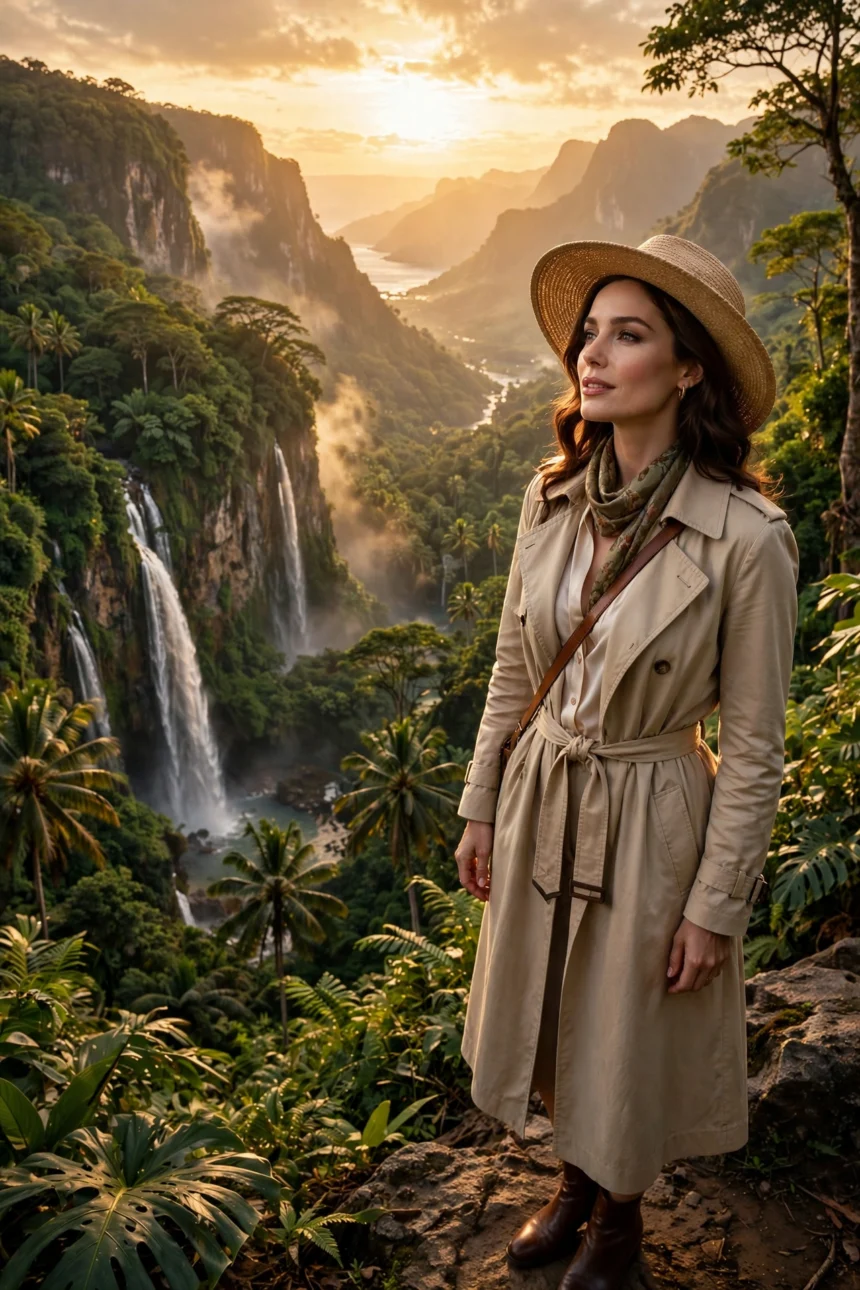
Destinations that earn comparisons to a wonder of the world usually share a few qualities. The scenery is on a scale that photographs struggle to capture. The light changes the mood of the place throughout the day, turning mornings soft and golden and evenings dramatic and cinematic. Nature is not a backdrop here; it is the main event.
For many visitors, the appeal is also about contrast. You can spend one part of the day exploring outdoors, following trails, viewpoints and water, and another part simply sitting still with good food and good company. It is the balance between adventure and rest that turns a beautiful place into a memorable one. Travel, after all, is not only about what you see, but about how a place makes you feel when you leave it behind.
If you are planning your own slower escape, our recent look at rest and recovery in Sleep Science: Is Your Weekend Lie-In Helping or Hurting? is a useful companion read on why genuine downtime matters more than we think.
What Travellers Should See and Do
First-time visitors should resist the urge to rush. Places like this reward travellers who build space into their itinerary. Start early, when popular viewpoints are quieter and the light is kinder for photographs. Speak to local guides, whose knowledge of weather, wildlife and hidden corners can transform an ordinary outing into the highlight of a trip.
Food should be part of the plan, too. Regional dishes, markets and family-run restaurants often tell you more about a destination than any landmark. Ask what is in season, try something you cannot pronounce and leave room for the unexpected recommendation that never appears in a guidebook.
Finally, pack for variety. Mountain air, coastal breezes and sudden rain can all arrive on the same day in dramatic landscapes. Layers, comfortable shoes and a camera you actually know how to use will serve you far better than a suitcase full of outfits chosen only for social media.
The Rise of ‘Wonder’ Travel
Pugh’s remark also taps into a wider trend. Travellers in 2026 are increasingly choosing destinations for awe rather than status. Instead of collecting famous city breaks, many people want one powerful experience: a canyon at sunrise, a waterfall after rain, a night sky with no light pollution, or a coastline that makes everyday worries feel very small.
Travel editors call this the search for wonder, and it explains why remote, nature-led destinations keep climbing search rankings. After years of screens, schedules and constant notifications, awe is a form of reset. It reminds people that the world is still bigger, older and stranger than their daily routine.
When Is the Best Time to Go?
The best time depends on what you want most. Shoulder seasons usually offer the sweet spot: fewer crowds, lower prices and scenery at its most vivid. Peak season brings reliable weather and a lively atmosphere, but also fuller trails and higher costs. Whichever window you choose, book accommodation and key activities early — celebrity praise has a habit of turning a quiet favourite into a sold-out sensation within weeks.
Florence Pugh may have offered the quote in passing, but its effect is likely to last. One honest sentence from a much-loved actress has reminded millions of people why they travel in the first place: not to tick a box, but to stand somewhere extraordinary and feel, just for a moment, completely amazed.