


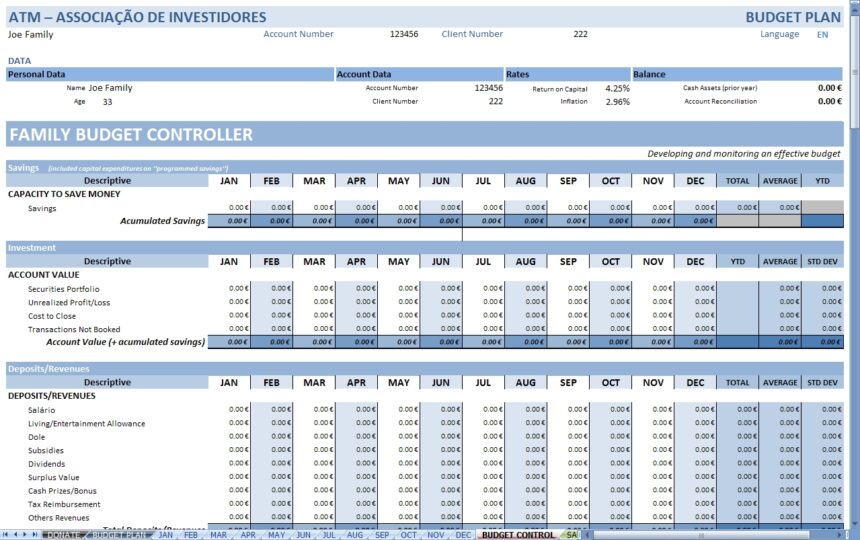
Personal finance advice has always been simple and compliance has always been hard. That gap is where money apps operate: they watch every transaction so you do not have to, sort spending into patterns you can actually see, and move money to savings before willpower is consulted. Used well, they function less like calculators and more like a quiet chief financial officer for one.
Automation beats motivation
The features with the strongest track record move money without asking: payday transfers to savings, round-ups on purchases, and rules that sweep windfalls. This is behavioural economics applied — defaults doing the work that January resolutions cannot. Good apps let users set these once, safely, with pauses and caps; the saving then compounds quietly in the background of an ordinary life, immune to mood and memory.
For more coverage of the stories shaping the day, visit our homepage and the latest reporting in News.
Forecasting prevents the bad week
Newer apps project the month forward: given rent, bills and current pace, here is the day money gets tight. That forward view prevents the classic failure mode — a confident first fortnight followed by an overdrawn third week — better than any backward-looking report. Alerts timed to decisions (before the purchase, not after the statement) are the difference between a dashboard and a coach.
The costs and the cautions
Free money apps are businesses: some sell premium tiers, others monetise data or attention, and the incentives deserve the same scrutiny as any financial product. Security matters too — connect only through official bank integrations, protect the app itself with biometrics and strong authentication, and remember that no app can out-optimise an income problem. Tools amplify a plan; they cannot substitute for one.
Further reading: MoneyHelper budgeting guidance.
A system you will actually keep
The households that succeed keep the setup embarrassingly simple: one app, automatic categorisation reviewed monthly, two or three automation rules, and a fifteen-minute money check each week. Complexity is the enemy of adherence in finance as in fitness. Start with visibility this month, add one automation next month, and let boring consistency — the only reliable financial superpower — do the compounding.
Seeing is the intervention
The most consistent finding in money-app research is embarrassingly simple: people who can see their spending, categorised and current, spend differently. Subscriptions surface — the average household underestimates its recurring charges substantially — impulse categories become undeniable, and the month stops ending in mystery. Awareness alone does not save money, but nearly every successful saving story begins with an accurate picture of the present.
Money app habits that work
- Turn on automatic transaction categorisation today.
- Automate a payday transfer to savings, however small.
- Audit subscriptions monthly; cancel one zombie each time.
- Do a fifteen-minute money check every week.
Why this matters now
Money management is being quietly rebuilt by software at the exact moment households face squeezed budgets and a blizzard of subscriptions, credit offers and micro-payments. The tools that genuinely help share a philosophy: reduce the number of financial decisions a person must get right each month, by automating the saving and surfacing the truth early. That philosophy scales from a first budgeting app to an entire financial system — which is why the humble money app is worth more attention than its modest charts suggest.
The best budgeting app is the one still in use next year. Choose simple, automate the saving, review briefly and often — and let the quiet machinery of defaults build what motivation alone rarely finishes.
Money apps cannot want things for you, but they can remove every excuse between intention and action. Visibility plus automation is a genuinely new capability in an old discipline — and it is available to anyone with a phone.