


Measles cases across the United States rose 8 percent in a single week to 4,410, extending a trend that public health officials have watched throughout the year. They attribute the growth mainly to under-vaccinated communities and international travel, and they are repeating a consistent message about prevention.
Causes of the resurgence
Under-vaccination remains the central explanation offered by epidemiologists. Where two-dose MMR coverage is high, introductions of the virus tend to fizzle out; where it has fallen, chains of transmission can persist for weeks. Health departments are responding with catch-up clinics, school record checks and targeted outreach in the neighbourhoods reporting the most cases.
Data specialists also caution against reading too much into a single percentage. An 8 percent weekly rise can reflect reporting batches as well as genuinely new infections, which is why agencies publish trend data over longer periods alongside the headline total of 4,410. Even allowing for that, the direction across recent weeks has been upward, and the underlying cause, incomplete vaccination in specific communities, is well understood.
Doctors remind readers that measles is not just a childhood rash. It can lead to ear infections, pneumonia and, in rare cases, serious brain inflammation, which is why health agencies take every increase seriously even when the overall numbers still look small.
When to call a doctor
Measles usually begins like a heavy cold. Early symptoms include a high temperature, a runny or blocked nose, sneezing, a cough and red, sore, watery eyes. Small white spots may appear inside the cheeks. The distinctive rash typically arrives a few days later, starting on the face and behind the ears before spreading to the rest of the body. Anyone who suspects measles is advised to phone a doctor or clinic in advance rather than sitting in a waiting room, so staff can reduce the risk to others.
Preventing further spread
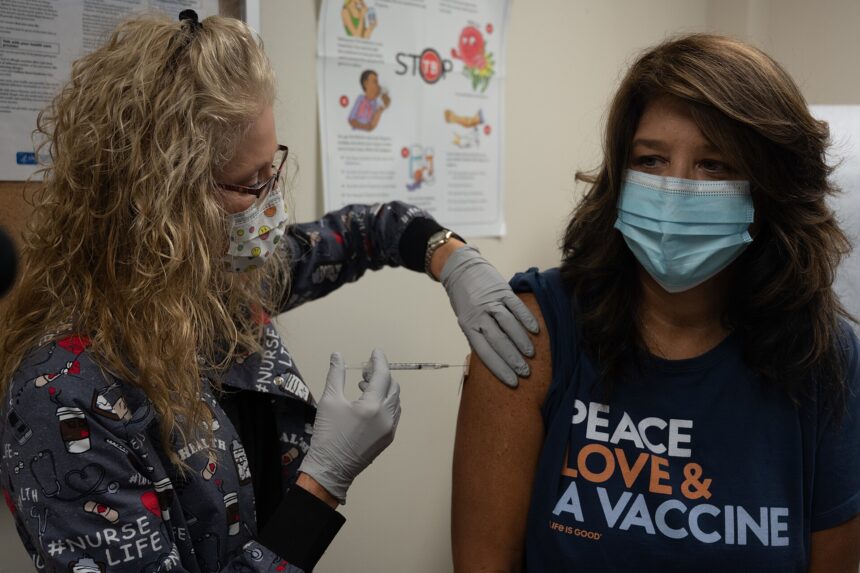
Health agencies continue to recommend the MMR vaccine on the standard schedule: a first dose at twelve to fifteen months of age and a second at four to six years, with catch-up options for older children, teenagers and adults who missed out. Decades of monitoring support its safety record, and its effectiveness is the main reason measles deaths worldwide have fallen so dramatically since the vaccine was introduced. Clinics in areas with active cases may offer early doses to infants from six months in specific circumstances.
Another factor in the weekly pattern is timing. Measles activity often rises when families travel for holidays and children return to classrooms, events that mix large numbers of people from different areas. The recent 8 percent increase fits that seasonal logic, which is why agencies time their reminders to school terms and holiday periods rather than treating every week identically. They also distinguish carefully between confirmed cases, which make up the 4,410 total, and suspected cases still under investigation, to avoid overstating the picture. For readers, the practical translation is simple: the start of a school term is an ideal moment to check immunisation records, just as it is for checking shoes, bags and bus passes. Building that habit into the family calendar, alongside the other back-to-school routines, is the low-key, sustainable response that public health teams are hoping this latest set of figures will encourage across the country.
The broader picture
For most readers, the appropriate response is quiet diligence: verify records, vaccinate if due, and know what the illness looks like. Public health teams, for their part, are continuing surveillance, laboratory confirmation and community outreach in the areas most affected. The 8 percent weekly rise to 4,410 cases is unwelcome, but it is also the kind of early warning that vaccination programmes exist to answer.
Most parents will never see a case, and that is the point of good coverage: when enough children are vaccinated, the virus struggles to reach the babies and vulnerable people it could harm most.
As always with measles, early action is everything: early vaccination before exposure, early recognition when symptoms appear and early notification so contacts can be protected. Those three habits, widely practised, are what keep a rising total from becoming an outbreak.
Full official guidance on symptoms, vaccination schedules and outbreak updates is published by the Centers for Disease Control and Prevention on its measles pages, which health departments recommend as the first reference point for families.
For background on how vaccine science reaches patients, see our earlier coverage of vaccine research and early clinical trials, which explained how carefully staged studies build the evidence behind routine immunisation programmes.