


Introduction
A great cup of coffee can turn an ordinary morning into something special. From the rich aroma of freshly ground beans to the smooth taste of a well-made espresso, every detail plays a role in the experience. For coffee lovers who want to enjoy café-style drinks at home, having the right equipment can make all the difference. This is where Meraki brings its vision of thoughtful design, modern technology, and a genuine love for coffee into everyday life. The brand focuses on making home espresso preparation more accessible through an integrated approach to grinding, brewing, steaming, and measurement. Instead of treating coffee as a simple daily habit, Meraki encourages people to enjoy the process and discover the small details that make each cup unique. Its philosophy is built around the idea that quality coffee requires both engineering and creativity, helping users bring a more personal touch to their home coffee routine.
The story behind meraki coffee begins with a clear goal: to help people create professional-style espresso without making the process feel complicated. The brand takes its name from the Greek word meraki, which describes doing something with soul, creativity, and love. This idea shapes its approach to product development and customer experience. According to its brand story, Meraki began in Shenzhen, China, where engineers and coffee enthusiasts shared a desire to improve the home espresso experience. That shared interest grew into a wider international presence, with offices in Hong Kong, the United Kingdom, and the United States. Today, the brand combines practical engineering with user-focused design to make coffee preparation more enjoyable. By focusing on the connection between technology and craftsmanship, Meraki aims to help coffee lovers develop confidence, explore new flavors, and create drinks that suit their individual tastes.
The Meaning and Philosophy Behind Meraki
Meraki is more than a brand name; it represents a belief that everyday products should reflect care, creativity, and purpose. In coffee making, this philosophy matters because even small details can influence the final result. Bean freshness, grind size, water temperature, extraction time, and milk texture all contribute to the taste and feel of a drink. Meraki brings these elements together through a design approach that aims to make espresso preparation easier to understand and manage. Rather than expecting users to master every technical detail at once, the brand focuses on practical solutions that support a smoother learning experience. This makes its approach relevant to beginners who are exploring espresso for the first time, as well as experienced coffee drinkers who enjoy refining their brewing skills. By combining thoughtful design with coffee knowledge, Meraki seeks to make each step feel more approachable without losing sight of the craft behind a quality cup.
This philosophy also shapes the brand’s wider mission and vision. Meraki aims to empower people to prepare high-quality espresso at home through intelligent engineering, intuitive controls, and practical product design. Its vision extends beyond coffee equipment to a broader interest in intelligent home appliances that simplify daily tasks while offering a premium experience. The goal is not simply to add more technology, but to use technology in ways that serve real needs. A useful espresso machine should fit naturally into a person’s routine, provide a clear path through the brewing process, and encourage experimentation rather than frustration. This balance between function and feeling helps explain why Meraki places importance on both performance and appearance. When equipment is designed around the person using it, making coffee can become a relaxing ritual instead of another task on a busy schedule.
Exploring the Integrated Home Espresso Experience
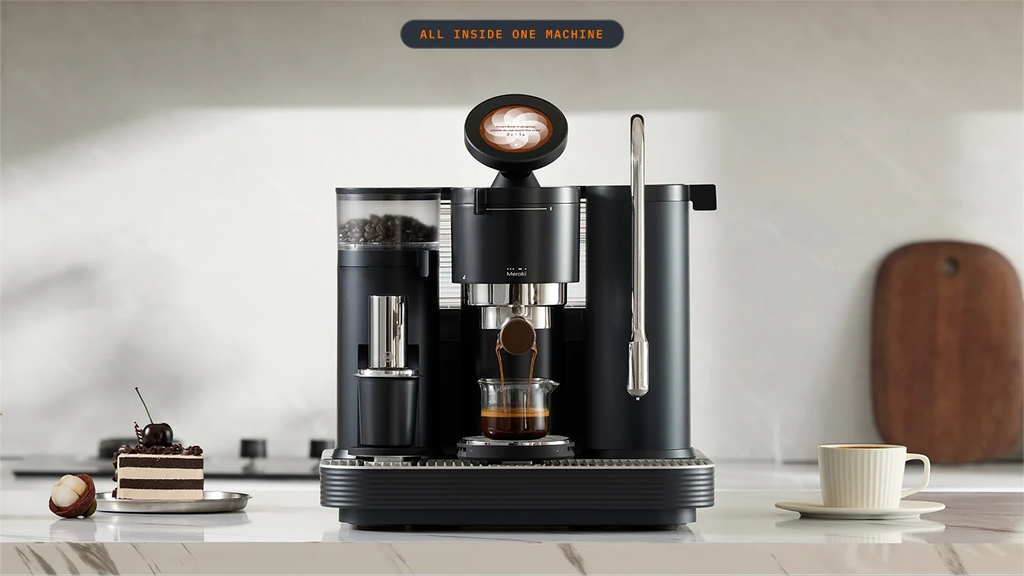
One of the central ideas behind the Meraki home espresso system is the integration of several important coffee-making steps. Grinding, brewing, milk steaming, and measurement each affect the quality of the finished drink, so bringing these functions into a coordinated setup can help simplify the routine. Freshly grinding beans before brewing helps preserve their aroma, while a suitable grind size supports balanced espresso extraction. Brewing then transforms the ground coffee into a concentrated drink, and milk steaming adds the texture needed for popular beverages such as cappuccinos and lattes. Measurement can also help users approach preparation with greater consistency, especially when they are learning how small changes affect taste. Meraki’s integrated approach is designed around these connected stages, helping users understand how each part contributes to the complete coffee experience. The exact features and controls available depend on the product model, so reviewing official product information is important before making a purchase.
For home coffee enthusiasts, an integrated espresso setup can also reduce the need to coordinate several separate tools. Instead of moving between unrelated devices, users can work through a more connected preparation process. This can be especially helpful in smaller kitchens, where counter space and an organized layout matter. However, good equipment is only one part of making enjoyable espresso. The beans, water quality, cleanliness, and preparation technique remain important. A balanced shot often requires some adjustment because different coffee beans respond differently to grinding and brewing conditions. New users can begin with a consistent recipe, taste the result, and make small changes over time. By approaching coffee preparation as a process of discovery, people can get more value from their equipment and develop a better understanding of their preferences. Meraki’s emphasis on accessible technology supports this learning process while keeping the pleasure of coffee at the center.
From Freshly Ground Beans to Café-Style Drinks
The journey to better meraki coffee starts with choosing beans that match your taste. Some coffee drinkers enjoy chocolate, caramel, and nutty notes, while others prefer bright fruit flavors or a lighter, more delicate finish. Roast level, origin, processing method, and freshness can all influence these characteristics. Working with freshly roasted beans from a trusted roaster gives home baristas a useful starting point. Grinding the beans shortly before brewing can help preserve their aroma, while adjusting the grind can improve the balance between sweetness, acidity, and bitterness. If espresso tastes sour or underdeveloped, the grind or extraction may need attention. If it tastes harsh or overly bitter, changing the grind or reviewing the brewing process may help. These are general starting points rather than fixed rules, because every coffee behaves differently. Taking notes and making one adjustment at a time can make it easier to understand what works best.
Milk-based drinks provide another way to explore the possibilities of home espresso. A cappuccino combines espresso with steamed milk and a layer of foam, while a latte usually contains more steamed milk and a softer texture. Learning to steam milk well takes practice, but the results can make a home coffee routine feel more rewarding. Begin with cold milk, use a suitable container, and follow the machine’s instructions for safe and effective steaming. Cleaning the steam wand after use is also essential for hygiene and reliable performance. For those who prefer their coffee without milk, espresso can be enjoyed on its own or used as the base for an americano. The flexibility of an espresso setup allows users to experiment with different recipes, serving sizes, and beans. With Meraki, the aim is to support this variety while helping coffee lovers enjoy the process of making drinks that fit their daily habits.
Engineering, Customer Experience, and Coffee Community
Behind a thoughtfully designed espresso machine is a combination of engineering, testing, and an understanding of how people use products at home. Meraki describes its approach as user-centered, with an emphasis on practical design and continuous innovation. This means considering more than technical performance alone. Clear controls, convenient cleaning, reliable operation, and a layout that makes sense can all affect the daily experience. A machine may offer advanced functions, but those functions are most useful when people can understand and apply them with confidence. The brand’s stated mission reflects this balance by focusing on professional-style results through an approachable home brewing process. Its website also connects visitors with product information, customer reviews, brand details, and coffee resources, giving prospective buyers several ways to learn about the system before choosing equipment. Readers should consult current product specifications and support information for details about features, maintenance, warranty coverage, and compatibility.
Meraki also highlights its relationships with coffee roasters around the world. These collaborations help introduce customers to different beans, origins, and flavor profiles, making coffee exploration part of the wider brand experience. Each region can offer distinct characteristics shaped by growing conditions, coffee varieties, processing methods, and roasting choices. Exploring these differences helps home baristas understand that great coffee is not defined by a machine alone. It also reflects the work of farmers, producers, roasters, and everyone involved in bringing beans from the farm to the cup. The brand reports that it has shipped more than 20,000 units globally and shares customer satisfaction figures and recommendations on its website. These figures represent the brand’s own reported information and should be checked against the latest official details. Together, its engineering focus and interest in coffee culture show how Meraki aims to connect practical equipment with the wider enjoyment of specialty coffee.
Conclusion
Creating better coffee at home is about finding the right balance between good ingredients, useful equipment, and a willingness to learn. Meraki brings these elements together through a philosophy built on creativity, thoughtful engineering, and a passion for quality. Its integrated home espresso approach focuses on grinding, brewing, steaming, and measurement, helping users explore the process without losing sight of the enjoyment that makes coffee special. Whether someone is learning to pull their first espresso shot or refining a favorite latte recipe, a clear and consistent routine can make a meaningful difference. Choosing fresh beans, adjusting preparation carefully, and keeping equipment clean are simple habits that support better results over time. These practices also help users understand their personal preferences and gain more confidence with every cup.
The appeal of meraki coffee ultimately comes from the connection between technology and the human side of coffee making. A well-designed espresso system can support consistency, but the experience becomes personal through the beans people choose, the recipes they explore, and the time they spend refining their technique. Meraki’s story reflects a commitment to making that journey more accessible through practical design and a genuine interest in coffee craftsmanship. For anyone considering a home espresso setup, exploring the brand’s official website is a useful next step for learning about its products, features, and approach to brewing. With the right equipment and a little patience, a daily cup can become more than a source of energy. It can be a small, rewarding ritual shaped by curiosity, creativity, and care.