


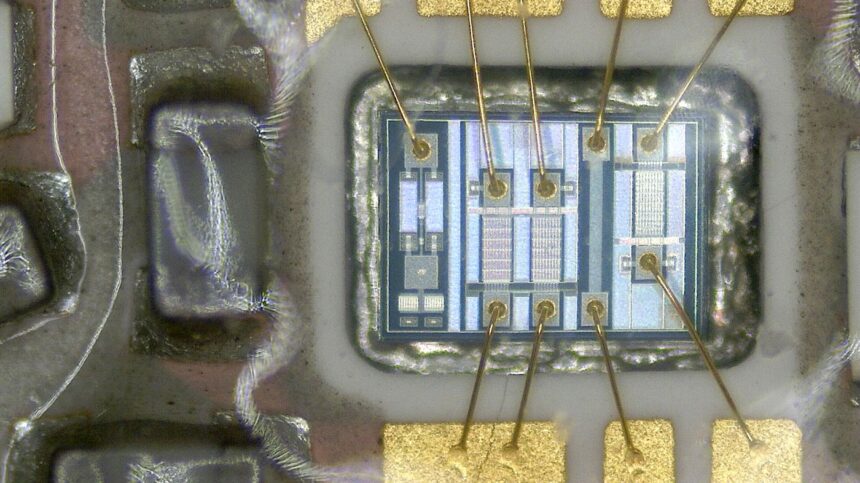
New phone processors can run capable AI models locally, promising faster responses, better privacy and features that work without a connection. Few subjects have shifted as quickly in the past year, and the latest evidence suggests the change is structural rather than a passing fashion. Specialists in on-device artificial intelligence say the latest developments deserve attention precisely because they are measurable: the claims can be checked, the numbers are published, and the people responsible can be asked what happens next.
The story behind the numbers
The technical shift underneath the headlines is straightforward to describe and hard to execute. Engineers have spent years removing bottlenecks — in processing power, in connectivity and in the unglamorous work of standards and testing — and the cumulative effect is a product category that finally behaves the way its marketing always promised. Compatibility remains the watchword: the winners so far are the systems that play well with rivals, while closed ecosystems are losing their ability to lock customers in. Reporting by The Verge has tracked the same trend from a different angle, and its conclusions align closely with what local observers describe.
Experts stress that the headline figures hide wide regional variation, and that local context decides whether the approach succeeds. On this site, continuing coverage in our Technology section has followed on-device artificial intelligence as it moved from specialist debate to a topic readers ask about directly, in comments, at events and in the questions they send the newsroom.
Implications for everyday life
For consumers, the advice from reviewers is refreshingly consistent: buy for the standard, not the brand promise; keep receipts and update firmware; and treat first-generation features as pleasant extras rather than reasons to purchase. For businesses, the calculation involves training and integration costs that dwarf the price of the devices themselves. The strategic question for manufacturers is whether openness becomes the industry’s default or a marketing phase — and the answer, judging by procurement contracts being signed now, is leaning firmly toward openness. Chip designers involved in the work emphasise that timelines are realistic rather than heroic, and that the next phase depends as much on public response as on technical or financial capacity.
Sceptics make points that deserve an answer rather than dismissal. Some note that early data can flatter new approaches, that funding shapes which questions get studied, and that media coverage — including coverage of this story — tends to amplify the novel over the representative. Those cautions are well founded, and the most credible voices in the field are usually the first to voice them. The balance of evidence, though, has moved: what was a plausible hypothesis a few years ago is now supported by multiple independent lines of work, and the burden of proof is shifting accordingly. Costs remain the deciding factor for many people, with early adopters paying a premium that is expected to fall as scale increases.
What happens next depends on decisions being taken in the next few weeks. Readers can expect further reporting as the evidence develops, the numbers are updated and the people affected have their say.