


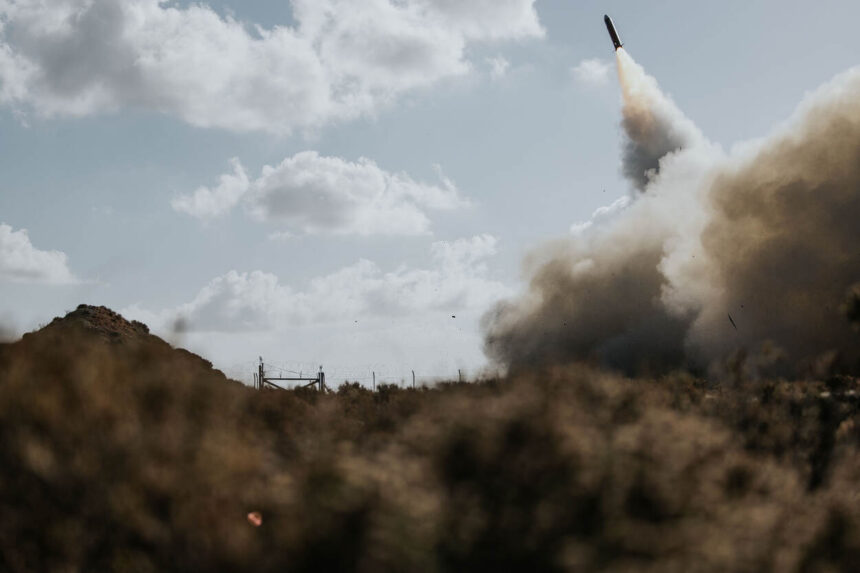
The United States has approved a major new arms package for Ukraine, clearing a Patriot missile sale of 500 PAC-3 interceptors in a deal valued at $2.1 billion. The State Department confirmed the approval this week, in a move that underlines how central the Patriot system has become to Ukraine’s air defence as Russian missile and drone strikes continue to target cities and energy infrastructure across the country.
Why the Patriot missile sale matters
Patriot interceptors are widely regarded as the only weapon in Ukraine’s arsenal that can reliably shoot down Russian ballistic missiles, which travel too fast and too high for most other air defence systems. Kyiv has repeatedly asked its partners for more launchers and, just as urgently, more of the expensive interceptor missiles that each battery consumes during heavy attacks. Readers following our wider coverage of the war and its global fallout will know that shortages of interceptors have been a recurring concern for Ukrainian commanders throughout the year.
Each PAC-3 interceptor costs several million dollars, and a single night of heavy Russian bombardment can deplete dozens of them. That arithmetic explains both the size of this package and the urgency behind it.
Allies foot the bill
Notably, the purchase is being funded entirely by European and Canadian partners rather than by Washington directly. The arrangement reflects a broader shift in how Ukraine’s military support is financed, with European governments taking on a larger share of the cost as they build up their own defence industries and stockpiles. As today’s international news briefing notes, the sale also sends a political signal that Western backing for Kyiv remains intact despite election season in the United States.
Deliveries could take years
President Volodymyr Zelensky has welcomed the approval but warned that actual deliveries could still take years, because production lines for Patriot interceptors are already stretched by orders from many countries. Ukraine is therefore expected to keep pressing partners to release missiles from their existing stocks in the meantime, while newly produced rounds gradually arrive.
For now, the deal stands as one of the largest single air-defence commitments of the year, and a reminder that the contest over Ukraine’s skies is increasingly a contest of industrial capacity as much as battlefield tactics. How quickly the interceptors reach Ukrainian batteries may shape the country’s ability to protect its power grid through another winter of strikes.