


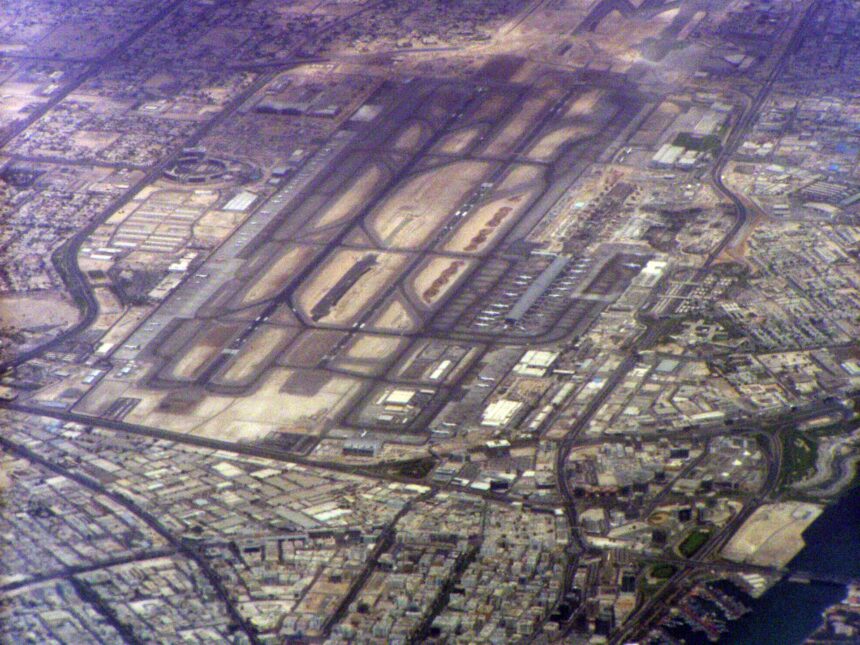
The United Arab Emirates has lifted all air traffic restrictions imposed since the start of the US and Israeli war on Iran, in the clearest signal yet that Gulf aviation has returned to normal. The General Civil Aviation Authority announced on Saturday that all air operations in UAE airspace have returned to normal status. The decision ends months of disruption for Dubai, home to the world’s busiest airport for international passengers, and for Abu Dhabi, both of which have operated under restrictions since late February. A Pakistan-brokered ceasefire last month paved the way for the announcement.
Air Traffic Restrictions End After Months of Disruption
The war forced the closure of large portions of Middle Eastern airspace, with at least eight states announcing full or partial closures, including the UAE, Iraq, Jordan, Qatar, Bahrain and Kuwait. At the height of the crisis, Emirates and flydubai temporarily halted all operations, while Etihad suspended departures from Abu Dhabi. Airlines rerouted flights around closed skies, adding hours to journeys between Europe and Asia and straining schedules worldwide. The restoration of normal operations removes one of the last major obstacles facing the region’s carriers as they rebuild their networks. The announcement was reported in the coverage of the UAE’s airspace decision.
Regional Recovery Gathers Pace
The UAE’s move is part of a broader regional reopening. Qatar Airways has separately confirmed it will resume flights to three Iraqi cities and plans to serve more than 150 destinations across six continents from mid-June. Airports across the Gulf are restoring capacity, reinstating suspended routes and rehiring services that were paused during the emergency. Aviation analysts say the speed of the recovery underlines the Gulf’s role as the connective tissue of global air travel: when its hubs slow down, the whole world feels it, and when they restart, global schedules heal quickly.
What It Means for Travellers
For passengers, normal status means fewer rerouted flights, shorter journey times and the return of connections that vanished during the crisis. Tourism and business travel, both hit hard by months of uncertainty, are expected to rebound as schedules stabilise. Readers can keep up with the latest regional headlines as airlines publish their restored timetables. The announcement is also a statement of confidence: the UAE is telling the world that its skies are safe, its hubs are ready, and its aviation sector is back in business.
For passengers, airlines and the thousands of businesses that depend on Gulf aviation, Saturday’s announcement closes a difficult chapter. The region’s skies, and its ambitions, are fully open again.