

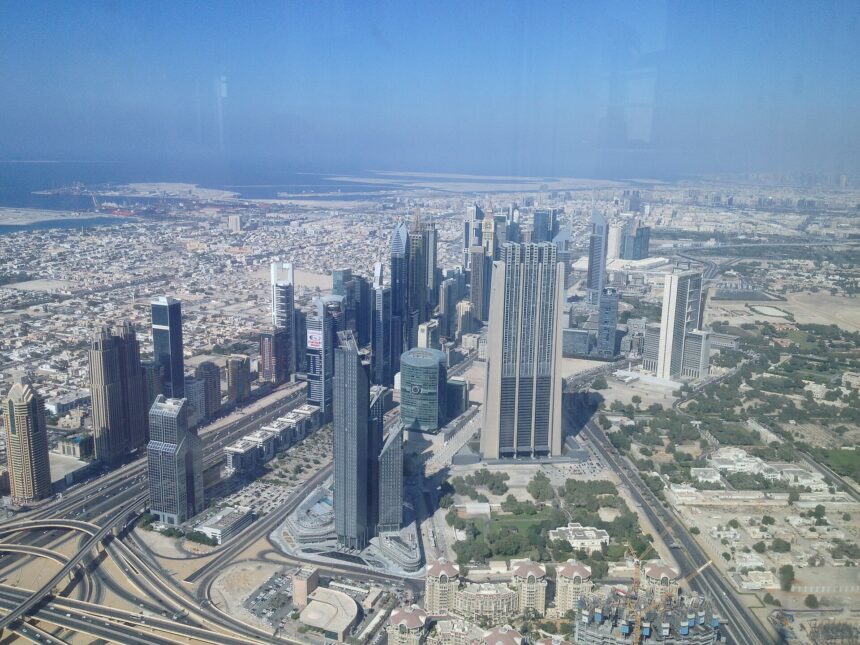
Deeper economic integration is turning the Gulf into a magnet for global capital, according to the region’s own leadership, and this week’s developments in Dubai give Gulf markets fresh evidence of it. The GCC Secretary-General declared that bloc integration is consolidating the region’s standing on the global investment map, while a string of concrete announcements landed in the Dubai International Financial Centre. Blackstone is reviving its Dubai footprint, China Securities has opened a Middle East headquarters in the DIFC, and the centre has published a PropTech roadmap running to 2033 alongside new company formation rules designed to make setting up in Dubai easier still.
Dubai Consolidates Its Lead
Market watchers describe the current tone across GCC markets as cautiously risk-on, with the UAE, and Dubai in particular, emerging as the region’s institutional capital hub. BlackRock has framed the cycle as resilience reshaping Gulf investment, and new DIFC company rules, reported by Gulf News, could reshape how UAE investors structure and establish businesses, potentially lowering friction for fund flows between onshore and offshore structures. The PropTech 2033 roadmap adds a long-horizon pipeline for property technology ventures. Together, the moves point to a deliberate strategy: make Dubai the easiest place in the region to raise, manage and deploy capital. A fuller digest appears in the GCC market intelligence brief.
Gulf Markets Watch Saudi Arabia’s Reality Check
The picture is more complicated in Saudi Arabia, where a new investment minister, Fahad Al-Saif, has taken the reins as Vision 2030 funding lags. Analysts have described the appointment as a reality check, with the kingdom juggling the costs of its transformation programme, the aftermath of regional conflict and softer foreign direct investment. Reuters has also reported that three Gulf states are reviewing sovereign investment allocations to offset exposure to the Iran war’s economic impact, a sign that even the region’s deepest pockets are repositioning defensively. The Middle East Council on Global Affairs has separately flagged the rising cost of crisis resilience for Gulf sovereign wealth funds.
Where the Smart Money Is Looking
For investors, the emerging consensus is a split strategy: near-term deal conviction tilting towards UAE-domiciled structures, with Saudi Arabia offering longer-term value if its funding and reform questions are answered. The week’s announcements support that reading, pairing Dubai’s regulatory energy with Riyadh’s course correction. Readers tracking the region’s economy can follow the latest business and regional news as the sovereign reviews conclude. What is clear is that the Gulf’s financial centres are no longer competing only with each other; integrated, they are competing with the world.
Integration has been the GCC’s promise for four decades. This week’s flurry of deals and rule changes suggests the bloc’s capitals are finally treating it as a competitive necessity rather than a diplomatic slogan.