


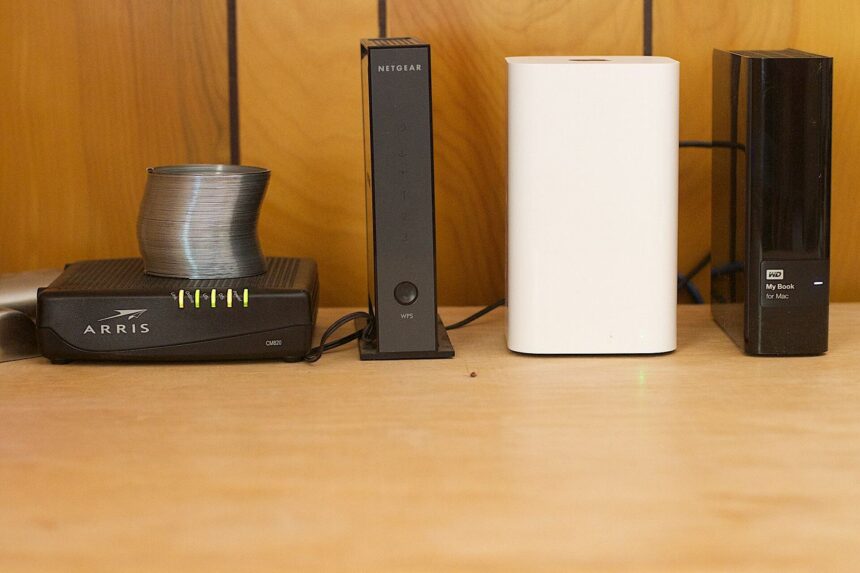
Operators of blockchain nodes are upgrading their hardware and software ahead of major protocol changes that will demand more from the machines keeping networks running. Nodes store copies of the blockchain, validate transactions and relay information to other participants, and upcoming upgrades are set to increase data volumes and processing requirements. Operators say the work involves faster storage, more memory and better network connections, along with careful testing to avoid downtime during the switch. Smaller operators worry about the cost, while larger ones see the upgrades as a routine part of running professional infrastructure. Developers are publishing detailed guidance and timelines so that operators can plan, and test networks are being used to rehearse the changes before they reach the main chain. The preparations matter because a smooth upgrade depends on thousands of independent operators being ready at the same time, and a single weak link can slow the whole network.
What the Evidence Shows
The upgrades are also prompting a wider conversation about who runs the infrastructure that blockchains depend on. Cloud hosting has become common because it is flexible and reliable, but critics argue that concentrating nodes in a few data centres creates its own risks if a provider fails or changes its policies. Some projects are encouraging operators to run their own hardware at home or in small facilities, and are offering grants or reduced requirements to help. Monitoring tools have improved too, giving operators early warnings about performance problems and security updates. Community groups are organising upgrade workshops and sharing checklists, recognising that many operators are volunteers rather than companies. For users, the changes should be invisible if they go well, showing up only as faster transactions or new features. The real measure of success will be the upgrade day itself, when the network either keeps running smoothly or reveals the gaps that preparation was supposed to close. Reporting and analysis from sources such as Bank for International Settlements track the same developments, and specialists following node operator infrastructure upgrades say the direction is now consistent across independent lines of evidence.
The Wider Context
The wider context is a sector being absorbed, piece by piece, into the regulated financial mainstream. Work on node operator infrastructure upgrades now happens under licensing regimes, audit expectations and consumer-protection rules that would have been unrecognisable a few years ago. Long-standing participants are divided between relief at the legitimacy and regret for the experiment’s wilder freedoms.
What Happens Next
What happens next for node operator infrastructure upgrades will be shaped by the interaction of regulation, market appetite and the sector’s own capacity for self-inflicted wounds. The infrastructure is more professional than it was, the rules are clearer, and the remaining question is whether growth can stay boring. Participants with the longest memories say boring would be the real milestone. You can follow related developments in our coverage of crypto.
There is a practical lesson in all of this for readers deciding what to do today. Start with the verified facts, be wary of anyone promising certainty, and prefer reversible steps while the evidence is still developing. Circumstances differ by country, income and personal situation, so general guidance should always be weighed against your own context before you act on it in any significant or lasting way.