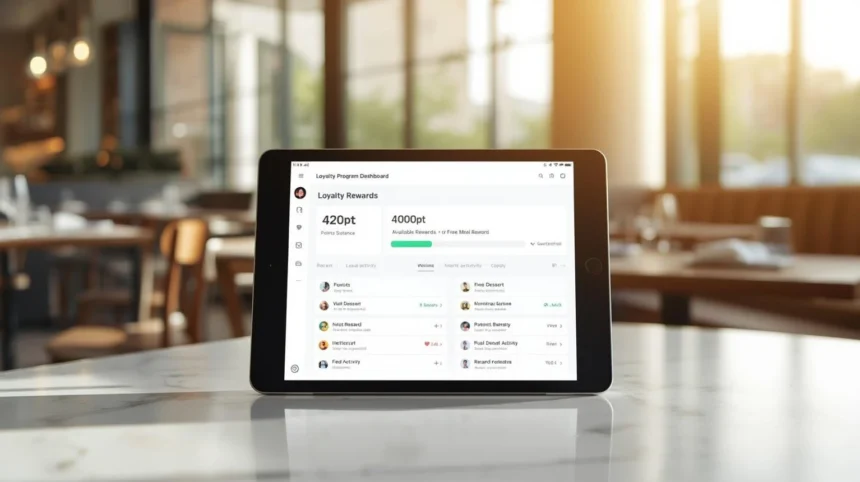
Customer loyalty is one of the most misunderstood growth drivers in modern business. Many companies assume loyalty is created through discounts, points systems, or cashback rewards. While these tools can help, they are not the foundation of real loyalty.
True loyalty is built when customers consistently choose your business even when they have alternatives. It is driven by trust, experience, emotional connection, and long-term value. A loyalty program should not try to “buy” repeat customers. It should reinforce the reasons customers already like your business.
In practice, most loyalty programs fail because they focus too heavily on transactions and not enough on relationships. Businesses spend money rewarding behavior without understanding what actually motivates customers to stay.
At the same time, loyalty is becoming more important than ever. Acquisition costs are rising, competition is global, and customers have endless alternatives. Businesses that cannot retain customers struggle to grow sustainably.
Even operational structure plays a role in long-term retention. For example, companies that invest in professional company secretarial services often benefit from stronger governance, better compliance systems, and improved organizational stability, which indirectly supports customer trust and long-term brand consistency.
This article explains how to build customer loyalty programs that actually work in real-world business environments, not just in theory.
Why Most Loyalty Programs Fail
The majority of loyalty programs fail for one simple reason: they are designed around rewards instead of relationships.
Companies assume that if they give customers enough points or discounts, those customers will stay. But customers are not loyal to rewards alone. They are loyal to experiences, convenience, trust, and emotional satisfaction.
When loyalty programs become purely transactional, customers only participate when it benefits them financially. The moment a competitor offers a better deal, they switch.
This creates a cycle where businesses continuously spend more money trying to retain customers without ever building real loyalty.
Understanding What Real Customer Loyalty Means
Real customer loyalty is not repeat purchase behavior alone. A customer may buy again simply because of habit or lack of alternatives. That is not true loyalty.
True loyalty exists when customers actively prefer your brand. They trust your business, recommend it to others, and return even when competitors offer similar or better prices.
This level of loyalty cannot be created through discounts alone. It is built through consistent positive experiences and emotional connection.
A strong loyalty program should strengthen this bond, not replace it.
The Foundation of an Effective Loyalty Program
Before building any loyalty system, a business must understand its customers deeply.
This includes understanding what they value, what problems they are trying to solve, and what motivates their purchasing decisions.
Without this understanding, loyalty programs become generic and ineffective.
A strong foundation ensures that rewards and incentives align with actual customer expectations. When alignment exists, participation increases naturally because customers feel understood.
Simplicity Determines Success
One of the biggest mistakes businesses make is overcomplicating their loyalty programs.
Complex systems with unclear rules, confusing point conversions, or difficult redemption processes discourage participation.
If customers need to think too hard to understand how a program works, they are less likely to use it.
Simplicity is what drives adoption.
The most successful loyalty programs are easy to understand, easy to join, and easy to benefit from.
When customers immediately see value, engagement increases significantly.
Immediate Value Creates Stronger Engagement
Delayed rewards reduce motivation.
Customers are far more likely to engage with loyalty programs when they receive immediate benefits.
These benefits do not always need to be financial. They can include instant discounts, priority service, exclusive access, or personalized offers.
Immediate value creates a psychological sense of reward that reinforces positive behavior.
When customers feel rewarded instantly, they associate positive emotions with the brand.
Emotional Connection Is the Real Driver of Loyalty
While rewards attract attention, emotional connection sustains loyalty.
Customers stay loyal when they feel recognized, respected, and valued.
This emotional bond is created through consistent communication, personalized experiences, and reliable service quality.
When customers feel emotionally connected to a brand, they are less sensitive to price changes and competitor offers.
This is why emotional loyalty is significantly more powerful than transactional loyalty.
Personalization Increases Program Effectiveness
Generic loyalty programs treat all customers the same, but customers are not the same.
They have different preferences, purchase behaviors, and expectations.
Personalization improves relevance and engagement by tailoring rewards and experiences to individual customers.
When customers receive offers that match their behavior, they feel understood.
This increases participation and strengthens long-term engagement.
Trust Builds Over Time Through Consistency
Loyalty is not built in a single interaction. It is built over repeated experiences.
Consistency is essential.
If customers experience inconsistent service or unpredictable value, trust weakens.
A strong loyalty program reinforces consistency by ensuring that customers receive reliable value every time they interact with the brand.
Over time, consistency becomes the foundation of trust.
Customer Experience Defines Loyalty Success
Even the best loyalty program cannot fix poor customer experience.
If customers are frustrated by slow service, poor communication, or unreliable products, no reward system will keep them loyal.
Customer experience is the real foundation of loyalty.
A smooth, positive experience across all touchpoints increases the effectiveness of loyalty programs significantly.
Experience shapes perception more than rewards ever will.
Loyalty Programs Should Influence Behavior, Not Just Reward It
Effective loyalty programs are designed to encourage specific behaviors that benefit both the customer and the business.
These behaviors may include repeat purchases, referrals, higher order values, or increased engagement.
However, this must be done carefully.
If programs feel manipulative, customers lose trust.
The best loyalty programs create mutual value where both the business and the customer benefit naturally.
The Role of Business Structure in Customer Trust
Loyalty is also influenced by how stable and credible a business appears.
Operational structure, compliance systems, and governance processes all contribute to customer confidence.
Companies that invest in professional company secretarial services often benefit from better internal organization and regulatory compliance, which indirectly strengthens brand trust.
When customers perceive a business as stable and well-managed, they are more likely to stay loyal.
Structure alone does not create loyalty, but it supports the trust required for loyalty to grow.
Data Is Essential for Optimization
A loyalty program should never remain static.
Businesses must continuously analyze performance data to understand what works and what does not.
Key indicators include customer retention rates, repeat purchase frequency, engagement levels, and redemption behavior.
Data allows businesses to refine rewards, improve personalization, and eliminate ineffective elements.
Without data, loyalty programs rely on assumptions rather than evidence.
Integration With Business Operations
Loyalty programs must be integrated into the broader business strategy.
They should not operate separately from marketing, sales, or customer service.
When all departments align around customer retention, loyalty programs become significantly more effective.
Marketing can promote loyalty benefits, customer service can reinforce positive experiences, and sales can emphasize long-term value.
Integration ensures consistency across the entire customer journey.
The Long-Term Value of Loyalty Programs
Well-designed loyalty programs create compounding value over time.
Customers return more frequently, spend more per transaction, and refer others to the business.
This reduces acquisition costs and increases customer lifetime value.
Over time, loyal customers become a stable foundation for predictable revenue growth.
This stability is one of the most important advantages in competitive markets.
Final Reflection
Customer loyalty programs are not simply marketing tools. They are long-term systems for building relationships and trust.
The most effective programs are simple, emotionally engaging, consistent, and aligned with customer needs.
They do not rely solely on discounts or points but instead focus on delivering real value and positive experiences.
Businesses that invest in strong loyalty systems are better positioned to grow sustainably in competitive environments.
Even operational elements like company secretarial services can support this indirectly by strengthening organizational structure and trust, which reinforces customer confidence.
In the end, loyalty is not created by rewards alone. It is created by consistent value, trust, and meaningful customer experiences.
FAQs
What is a customer loyalty program?
A customer loyalty program is a structured system that rewards repeat customers and encourages ongoing engagement with a business.
Why do most loyalty programs fail?
Most fail because they focus too much on discounts and transactions instead of building emotional connection and long-term value.
What makes a loyalty program successful?
A successful program is simple, relevant, consistent, and aligned with customer needs and behavior.
Do discounts alone create loyalty?
No, discounts may encourage short-term purchases but do not build long-term loyalty on their own.
How does personalization improve loyalty programs?
Personalization makes rewards and offers more relevant, increasing engagement and customer satisfaction.
Why is customer experience important for loyalty?
Because customer experience shapes how customers feel about a brand, which directly influences whether they stay loyal.
Can loyalty programs increase revenue?
Yes, they increase repeat purchases, customer lifetime value, and referrals, which all contribute to higher revenue.
How do company secretarial services relate to customer loyalty?
They help ensure proper governance and business structure, which increases trust and stability, indirectly supporting long-term customer loyalty.
You should also read: TechAiTech