The evolution of slot machines from their humble mechanical beginnings to the sophisticated, technology-driven games we see today is a tale of innovation, creativity, and player engagement. What once started as a simple mechanical contraption designed to entertain and occasionally pay out small rewards has grown into one of the most complex and lucrative forms of entertainment worldwide. Over the past few decades, advancements in computing, digital design, and the internet have reshaped how slot machines are developed, played, and experienced. In fact, technology has not only changed the games themselves but also the entire casino landscape, leading to new opportunities for both players and operators alike.
From Mechanical Reels to Digital Precision
The first slot machine, created by Charles Fey in 1895, was a mechanical marvel, a simple yet groundbreaking design that allowed players to win by aligning three spinning reels with various symbols. The concept was simple, but the idea of automation for gaming quickly gained traction. As players inserted coins and spun the reels, the mechanical arms inside the machine determined the results. It was a straightforward process, but it also came with limitations. The physical nature of the machine meant that there were fewer symbols and combinations available, restricting the potential for complex gameplay or large jackpots. The transition to electronic machines in the 1960s marked the beginning of a technological revolution. With the introduction of electromechanical components, machines became more flexible. This shift allowed for larger jackpots, more symbols, and even multiple pay lines concepts that were impossible with purely mechanical designs. The ability to process more complex algorithms and sequences digitally opened the door to a whole new world of slot game possibilities.
The Digital Revolution: The Rise of Video Slots
The true game-changer in the slot machine industry came in the late 1970s and 1980s, with the advent of video slots. These machines replaced the traditional spinning reels with a digital display, dramatically increasing the potential for creativity and variety. Video slots were not bound by the physical limitations of mechanical reels and could feature an endless variety of themes, from popular movies to fantasy worlds. For the first time, players who were no longer restricted to simple fruit symbols could now experience video games with complex narratives, bonus rounds, and special features. The digital format allowed developers to experiment with new ways of engaging players. With the click of a button, players could access intricate bonus rounds, multipliers, and other interactive features that made the gameplay more dynamic. The ability to include more paylines also meant that there were more opportunities to win, which ultimately attracted a larger audience and revolutionized the slot machine experience.
The Internet and the Birth of Online Slots
The next big leap in the slot machine landscape came with the rise of the internet in the late 1990s. With the creation of online casinos, players no longer needed to visit a physical location to play their favorite games. The convenience of being able to play from the comfort of their own homes, combined with the growing popularity of the internet, made online slots a huge success. This shift not only brought slots to a global audience but also allowed for new innovations in game design. Online slots benefit from the same technological advancements that shaped their physical counterparts, but with the added flexibility of being able to constantly evolve through updates. Internet-connected games have the ability to offer more bonus features, integrate with global progressive jackpots, and run on a range of devices from computers to mobile phones. The ability to access these games from virtually anywhere has significantly expanded the reach of slot machines, attracting millions of new players worldwide. For casino operators, it has opened up new revenue streams and a whole new way to engage with their audience.
The Integration of Mobile Technology and Apps
As smartphones became ubiquitous, mobile technology added another layer of convenience and excitement to the slot machine landscape. Today, players are no longer tied to desktop computers or physical casinos to enjoy their favorite games. Mobile apps and optimized websites allow users to play slots anytime, anywhere. This shift has made gaming more accessible, allowing players to enjoy a game while on the go, whether they’re commuting, waiting in line, or relaxing at home. Mobile technology has also enabled new types of gameplay experiences, such as touchscreens that allow players to interact directly with the game, adding another layer of immersion and convenience. Furthermore, app-based gaming has fostered a culture of casual gaming, where players can enjoy short, frequent sessions, rather than committing to longer playthroughs. This shift has further transformed slot machines into a truly global entertainment phenomenon, accessible to players of all backgrounds and experience levels.
The Impact of Random Number Generators (RNGs)
A critical aspect of slot machines, whether digital or physical, is the Random Number Generator (RNG). These algorithms ensure that each spin is completely random and independent of the previous one, guaranteeing fairness and unpredictability. Before RNGs, early machines used mechanical systems or manual methods to determine outcomes, which could potentially be manipulated. With the advent of digital RNG technology, slot machines became a truly fair game of chance. The RNG ensures that every spin is a new event and that the outcome cannot be influenced by players, casino operators, or the machine’s history. RNGs are integral to both land-based and online slot machines. They work by generating thousands of random numbers each second, ensuring that when the player hits the spin button, the result is entirely based on chance. The transparency and fairness provided by RNG technology have made slot machines more reliable and trustworthy, building confidence among players.
Progressive Jackpots and the Role of Networking
One of the most exciting aspects of modern slot machines is the introduction of progressive jackpots, which have become possible thanks to technological innovations. Progressive jackpots allow the prize pool to grow over time, with a portion of each player’s wager contributing to the jackpot total. These jackpots can sometimes reach life-changing amounts, offering a level of excitement that was previously unavailable. The ability to link multiple machines together, whether in a land-based casino or across online platforms, has expanded the scope of these jackpots, creating massive prize pools that attract players from all over the world. Technology enables these jackpots to grow rapidly, making them more enticing to players who hope to hit the big win. This networking of machines has also led to new marketing opportunities for casino operators, as the chance of winning a multi-million-dollar jackpot has become a central selling point for slot machines.
Virtual Reality and the Future of Slot Machines
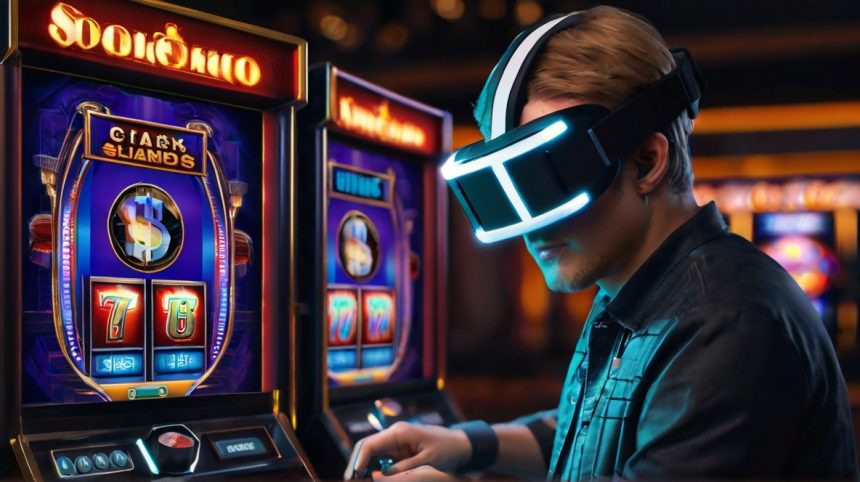
Looking ahead, technology promises to continue reshaping the slot machine landscape. One of the most exciting developments on the horizon is the integration of Virtual Reality (VR) and Augmented Reality (AR) into slot games. VR casinos are already being developed, offering immersive 3D environments where players can interact with the game and other players in ways that were once unimaginable. With VR, slot games will no longer be confined to a flat screen will offer fully interactive, lifelike experiences that take gaming to a new level. AR, on the other hand, has the potential to bring slot machines into the real world, allowing players to interact with games in physical spaces. Imagine playing a slot game where the reels appear in your living room, or a bonus round that comes to life through your smartphone screen. These developments are still in their early stages, but they point to an exciting future where technology continues to push the boundaries of what slot games can be.
In Summary
Technology has fundamentally changed the landscape of slot machines, making them more accessible, immersive, and engaging than ever before. From the early mechanical designs to the digital games we know today, and now to the online and mobile experiences that dominate the market, technological innovation has driven every aspect of this transformation. The introduction of digital design, RNG technology, mobile apps, and progressive jackpots has made slot machines a global phenomenon, and the integration of VR and AR promises to take the experience even further. As technology continues to evolve, the slot machine industry will undoubtedly continue to surprise and captivate players, forever changing the way we play and win.