

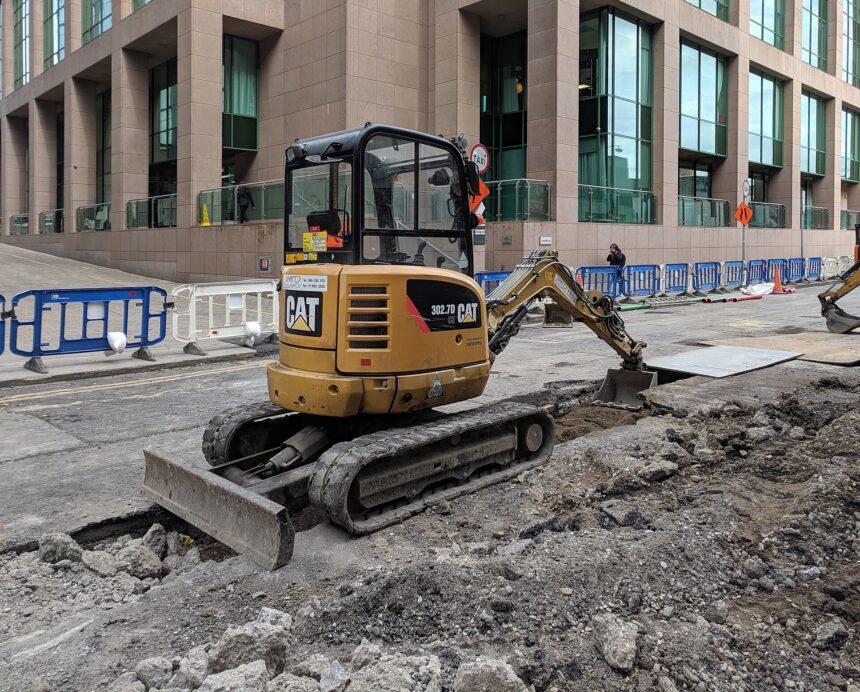
Caterpillar found itself at the centre of the market’s biggest argument this week: the heavy machinery maker says orders are soaring because artificial intelligence data centres need enormous amounts of power, yet its shares fell as tariff costs ate into the enthusiasm. The stock dropped about 2 per cent even as analysts kept positive ratings, capturing in one company the tension between the AI boom and the cost of trade barriers.
Data centres need power, and power needs machines
Every new AI facility requires backup generators, turbines and electrical equipment, and Caterpillar makes much of it. Reporting this week described order books swelling on AI-driven power demand, a striking example of how the technology boom is enriching companies far from Silicon Valley. It is a theme we have explored before in our coverage of the industries behind the AI boom.
Tariff costs take the shine off
Against that demand sits the tariff bill. Imported components and materials cost more than they did, and management cannot pass every increase to customers without risking orders. As the midday market tape put it, AI infrastructure demand is colliding with tariff math, and the collision is visible across industrial earnings this season: strong volumes, squeezed margins, cautious share prices.
A telling signal for the economy
Caterpillar has long been watched as a bellwether because its machines show up wherever economies are building things. The current picture is genuinely two-sided. Construction and energy customers are spending, order backlogs are healthy, and the AI build-out is a real, multi-year source of demand. But input costs shaped by trade policy are a headwind that no amount of operational skill fully removes.
For investors, the lesson of the week is that the AI trade is no longer just a handful of technology giants. It runs through generators, cooling systems, power grids and the companies that build them, and those companies live in the real economy of tariffs, steel prices and shipping costs. Caterpillar’s quarter showed both halves of that story at once.