


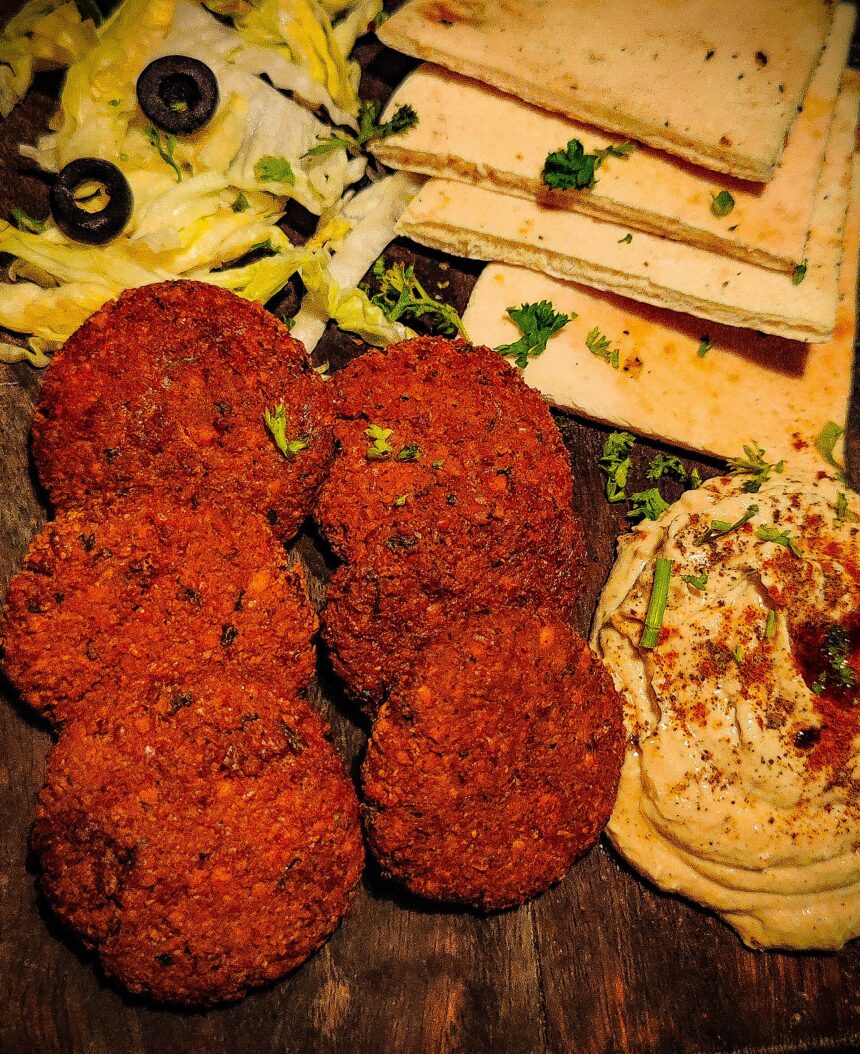
Surviving cancer is only part of the journey; for many people, the next threat to their health comes from the heart. Now a major study published in JACC: Advances suggests that what survivors eat could meaningfully lower that risk. Researchers analysed data from more than 8,700 cancer survivors in the UK Biobank who had no cardiovascular disease at the start, and followed them for around twelve years, during which 1,116 experienced a cardiovascular event. Those who ate the healthiest diets fared strikingly better, gaining between 1.66 and 3.32 years of life expectancy compared with those whose diets were poorest.
Every Healthy Pattern Offered Protection
The team compared several well-known dietary approaches, including the Mediterranean diet, the MIND diet, the DASH diet and the Alternate Healthy Eating Index. Encouragingly, all of them showed protective associations against cardiovascular events, which means survivors are not locked into a single rigid menu. Some patterns stood out for specific benefits: the AHEI-2010 pattern was linked to lower risks of ischaemic heart disease and stroke, while DASH was associated with a lower risk of heart failure. The MIND diet produced the lowest hazard ratio for overall mortality and the largest gains in life expectancy. Details of the analysis are available in the study report on diet and heart risk in survivors.
Why Cancer Survivors Need to Watch Their Hearts
Heart disease is the leading cause of non-cancer death among cancer survivors, a fact that surprises many patients who assume the tumour is the only danger. Some cancer treatments, while life-saving, can strain the cardiovascular system, and survivors often share the same risk factors, such as inactivity and weight gain, that drive heart disease in the general population. Senior author Yang-Xin Chen of Sun Yat-sen Memorial Hospital in Guangzhou said the findings underline how important diet is for cardiovascular health and healthy longevity after treatment ends. The study reframes nutrition as a core part of survivorship care, not an afterthought.
Practical Takeaways for Survivors
The good news is that the protective patterns share simple foundations: more vegetables, fruit, whole grains, legumes and fish, and less processed meat, salt and added sugar. Survivors do not need a perfect diet to benefit; the study compared degrees of adherence and found gains across the spectrum. Clinicians say diet conversations should begin during treatment and continue long after. Readers interested in evidence-based wellbeing can explore more health and lifestyle stories for practical ideas. For survivors planning their next chapter, the dinner plate may be one of the most powerful tools they have.
For the growing number of people living beyond cancer, findings like these offer something precious: a practical, everyday way to protect the future they have fought so hard to reach.