

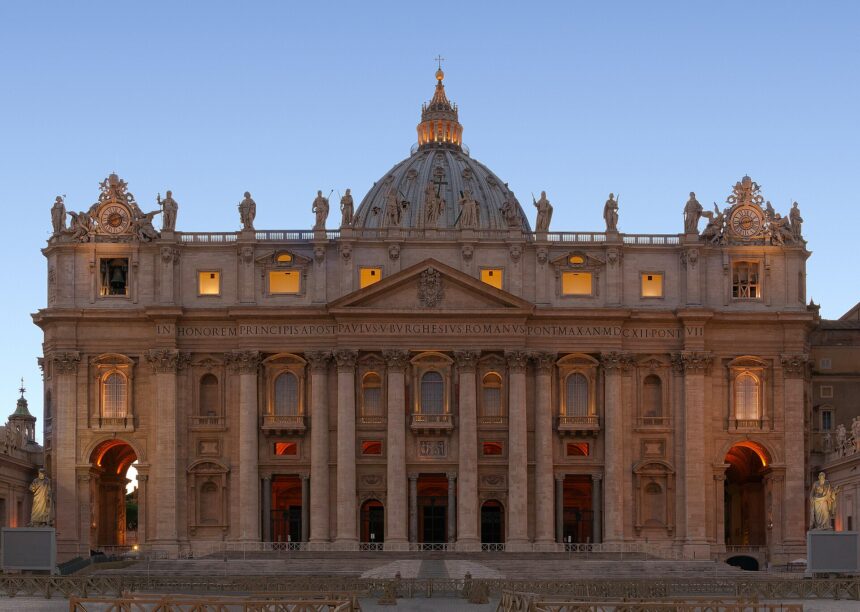
Pope Leo XIV has become the first pope known to have voted in a United States election, after the Vatican confirmed that he cast a mail-in ballot in this year’s midterm elections. The pontiff, born Robert Prevost in Chicago, submitted his ballot from Vatican City to his home state of Illinois, exercising a right he holds as an American citizen despite leading the world’s 1.4 billion Catholics from Rome.
A citizen as well as a pontiff
Leo’s American birth has given his papacy an unusual dimension from the start. Previous popes held citizenship of countries such as Poland, Germany and Argentina, but none is recorded as having taken part in an election while in office. Vatican officials presented the vote as a personal, civic act rather than a political statement, and did not disclose which candidates or measures the pope supported. Our news section has followed how this pontificate keeps blurring the line between the pope’s global spiritual role and his American roots.
Why Pope Leo XIV’s vote drew attention
The confirmation landed just days before Americans go to the polls in midterms that will decide control of Congress. Church-state watchers were quick to note the symbolism: the head of the Catholic Church participating quietly in the democratic process of his home country, at a moment when religious identity and voting behaviour are closely intertwined in US politics. As the daily news brief reported, the story quickly became one of the most shared items of the day.
A precedent for the future
Historians say the ballot is unlikely to change Vatican policy, but it does set a precedent. Future popes with voting rights abroad may feel freer to use them, and Leo himself will have further opportunities in US elections during his reign. For American Catholics, meanwhile, the image of a Chicago-born pope posting his ballot from the Vatican is a striking reminder of how global their church has become.
Whether Leo votes again in 2028 is a question for another election cycle. For now, his single envelope from Vatican City to Illinois has earned a small but genuine place in the history books of both the Church and American democracy.